
Sleep affects nearly every part of our physical and mental well-being, yet most people rarely think about how their body is positioned for the seven or eight hours they spend in bed each night. The truth is, your sleeping position can influence everything from spinal alignment and digestion to snoring, wrinkles, and even heart health. So, what is the best sleeping position? The answer isn’t one-size-fits-all, but research points to a few positions that offer clear advantages over others.
This guide breaks down the science behind the most common sleeping positions, who benefits most from each one, and practical tips to help you wake up feeling refreshed instead of achy.
What Is the Best Wake-Up Routine? A Science-Backed Guide to Starting Your Day Right
Why Sleeping Position Matters
During sleep, your body repairs muscle tissue, consolidates memories, and regulates hormones. But if your spine, neck, or joints are misaligned for hours at a time, you can wake up with stiffness, pain, or poor circulation. Sleep posture also affects breathing patterns, which is why certain positions are linked to snoring or sleep apnea, while others help keep airways clear.
Choosing the right position isn’t just about comfort in the moment — it’s about supporting your body’s natural alignment throughout the entire night.
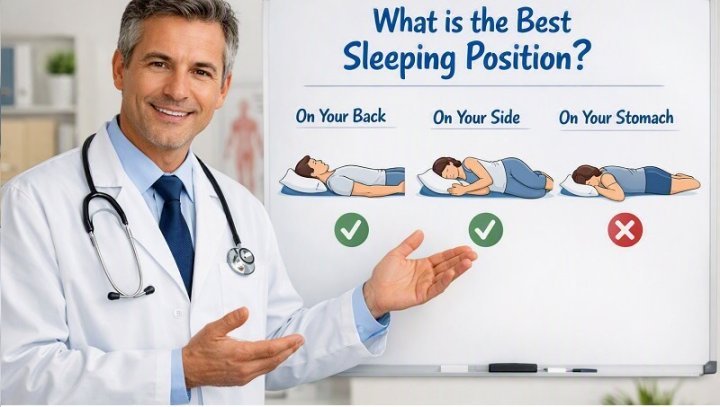
The Best Overall Sleeping Position: Side Sleeping
For most people, sleeping on your side — particularly the left side — is considered the healthiest option. Side sleeping keeps the spine in a relatively neutral position and reduces pressure on internal organs.
Benefits of side sleeping:
- Reduces snoring and sleep apnea symptoms: Side sleeping helps keep the airway open, unlike back sleeping, which can cause the tongue and soft tissues to collapse toward the throat.
- Supports digestion: Sleeping on the left side specifically allows gravity to assist the natural digestive flow from the stomach into the large intestine.
- Good for pregnancy: Left-side sleeping improves blood flow to the fetus and reduces pressure on the liver, making it the recommended position during pregnancy.
- Eases acid reflux: Left-side sleepers experience less heartburn compared to those who sleep on their right side or back.
Potential downsides: Side sleeping can create pressure points at the shoulder and hip, and may contribute to facial wrinkles or arm numbness if you sleep with your arm tucked under your pillow.
Pro tip: Place a pillow between your knees to keep your hips aligned and reduce lower back strain. A medium-firm pillow that fills the gap between your ear and shoulder also helps maintain neck alignment.
Back Sleeping: Great for Spine Alignment
Sleeping on your back is often praised by chiropractors and orthopedic specialists because it distributes body weight evenly and keeps the spine, neck, and head in a neutral position without unnecessary curving.
Benefits of back sleeping:
- Spinal support: Back sleeping minimizes pressure points and helps maintain the spine’s natural curve, especially when using a supportive mattress.
- Reduces facial wrinkles: Since your face isn’t pressed into a pillow, back sleeping can help prevent sleep-related creases over time.
- Minimizes acid reflux (with elevation): Sleeping on your back with your upper body slightly elevated can help keep stomach acid from traveling upward.
Potential downsides: Back sleeping can worsen snoring and obstructive sleep apnea because gravity pulls the tongue and soft palate backward, partially blocking the airway. It’s generally not recommended for people with existing sleep apnea or heavy snoring issues.
Pro tip: Use a supportive pillow that cradles the natural curve of your neck, and consider placing a small pillow under your knees to relieve lower back pressure.
Stomach Sleeping: The Least Recommended Position
While some people find stomach sleeping comfortable, most sleep specialists agree it’s the least beneficial position for long-term health.
Why it’s problematic:
- Strains the neck and spine: Sleeping face-down usually requires turning your head to one side for hours, which can strain the neck and upper back.
- Flattens the spine’s natural curve: This position can put extra pressure on the lower back, particularly if your mattress isn’t firm enough for support.
If you can’t give it up: Try using a thin pillow (or no pillow at all) under your head, and place a flatter pillow under your pelvis to reduce lower back strain.
What About the Fetal Position?
A variation of side sleeping, the fetal position — where the knees are drawn up toward the chest — is one of the most common sleep postures, especially among women. A loose, relaxed fetal position offers similar benefits to standard side sleeping, including reduced snoring and better spinal support. However, curling too tightly can restrict deep breathing and cause joint stiffness, so it’s best to keep the position relatively relaxed rather than tightly curled.
Choosing the Best Position for Specific Needs
- For back pain: Side sleeping with a pillow between the knees, or back sleeping with a pillow under the knees, offers the most support.
- For pregnancy: Left-side sleeping is widely recommended by doctors for optimal circulation.
- For snoring or sleep apnea: Side sleeping is preferable to back sleeping, which can worsen airway obstruction.
- For acid reflux: Left-side sleeping, or back sleeping with the upper body elevated, helps minimize symptoms.
- For neck pain: Back or side sleeping with proper pillow support is better than stomach sleeping.
Tips for Improving Your Sleep Posture
- Invest in the right pillow. Your pillow should keep your neck aligned with your spine, regardless of position.
- Choose a supportive mattress. A mattress that’s too soft or too firm can undermine even the best sleeping position.
- Use body pillows strategically. They can help side and back sleepers maintain alignment throughout the night.
- Be mindful of transitions. Most people shift positions multiple times during sleep — that’s normal and not something to worry about.
- Listen to your body. If you consistently wake up with pain or stiffness, it may be time to reassess your position, pillow, or mattress setup.
Final Thoughts
So, what is the best sleeping position? For most people, side sleeping — especially on the left side — offers the best combination of spinal support, breathing benefits, and digestive health. Back sleeping is a strong second choice for those without snoring or sleep apnea concerns, while stomach sleeping is generally best avoided due to the strain it places on the neck and spine.
Ultimately, the best position is one that keeps your spine aligned, supports easy breathing, and allows you to wake up without pain. Pay attention to how your body feels each morning, and don’t be afraid to adjust your pillows, mattress, or sleep habits to find what works best for you.
