
What Is a Seating Chart? Everything You Need to Know
Anyone who has planned a wedding, corporate dinner, classroom, or theater event has run into the same question at some point: where does everyone sit? That question is exactly what a seating chart is designed to answer. Far from being a minor administrative detail, a well-thought-out seating chart can shape the entire mood of an event, prevent awkward run-ins, and make guests feel genuinely welcomed. In this guide, we’ll break down what a seating chart actually is, why it matters, the different types you’ll encounter, and how to build one that works.
Defining a Seating Chart
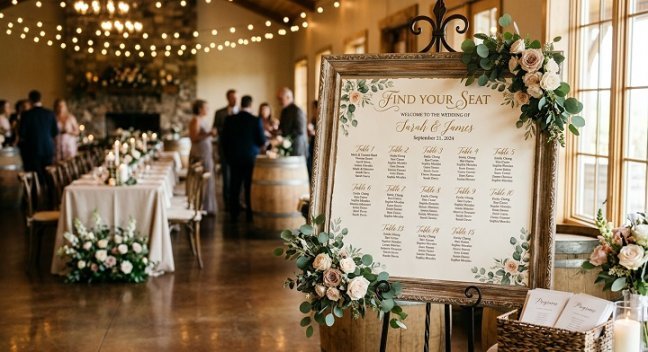
A seating chart is a visual or written plan that assigns specific seats, tables, or sections to individual guests, employees, or attendees at an event or in a shared space. It typically takes the form of a diagram, spreadsheet, or digital layout showing where each person or group will be positioned relative to others, the stage, the head table, or key focal points in the room.
Seating charts show up in many contexts beyond weddings. Airlines use them to assign passengers to specific rows and seats. Schools use them to organize classroom desks. Theaters and stadiums use them to sell tickets tied to particular sections. Corporate event planners use them for galas, award ceremonies, and board dinners. In every case, the underlying purpose is the same: to bring order and intention to how people are physically arranged in a space.
Why Seating Charts Matter
It’s easy to underestimate how much a seating arrangement affects an event, but the impact is significant.
They reduce chaos and confusion. Without a plan, guests wandering into a reception hall or auditorium can create bottlenecks, delays, and frustration as everyone tries to figure out where to go. A clear chart, paired with table numbers or place cards, eliminates that guesswork.
They shape social dynamics. Where people sit influences who they talk to, how comfortable they feel, and whether old tensions get reignited or avoided altogether. A thoughtful host can use a seating chart to separate feuding relatives, pair up guests with shared interests, or make sure no one ends up sitting alone.
They support logistics. Caterers need to know how many people are at each table to serve meals efficiently. Venue staff need headcounts per section for safety and capacity reasons. Event planners use seating charts to coordinate everything from centerpiece placement to audio-visual sightlines.
They elevate the guest experience. A guest who finds their name clearly assigned to a seat, especially one thoughtfully chosen, feels considered and valued. This small touch often leaves a lasting impression, particularly at weddings and formal dinners.
Common Types of Seating Charts
Seating charts vary widely depending on the type of event and the venue’s layout. Here are some of the most common formats.
Wedding seating charts are among the most detailed, often organizing guests by family, friend group, or relationship to the couple. These charts frequently balance social compatibility with practical constraints like table size and proximity to the dance floor or head table.
Banquet and gala seating charts are used for large-scale corporate or nonprofit events, often built around sponsorship tiers, VIP status, or professional relationships. Table placement can carry subtle signals about status, so planners take extra care.
Classroom seating charts help teachers manage student behavior, encourage participation, and support students with specific learning needs by controlling proximity to the front of the room or to particular classmates.
Theater and venue seating charts are tied directly to ticketing systems, showing sections, rows, and individual seat numbers so patrons know exactly where they’ll be sitting before they arrive.
Airplane seating charts map out the cabin layout, including seat classes, exit rows, and aisle versus window positions, helping passengers choose or understand their assigned seat.
How to Create an Effective Seating Chart
Building a seating chart doesn’t have to be overwhelming if you approach it methodically.
Start with your guest list. Before you can decide where anyone sits, you need a finalized list of who’s attending. Late RSVPs are one of the most common reasons seating charts get delayed, so set a firm cutoff date.
Understand your venue layout. Know how many tables or sections you have, how many seats each one holds, and where key elements like the stage, bar, or exits are located. This shapes what’s actually possible.
Group guests thoughtfully. Cluster people who know each other or share common ground, whether that’s family units, coworkers, or friend groups. For mixed events, look for shared interests as a bridge between strangers.
Account for relationships and sensitivities. Keep divorced parents, feuding relatives, or incompatible personalities at a comfortable distance. This single step prevents more seating headaches than any other.
Consider practical needs. Guests with mobility issues, small children, or dietary accommodations may need seats near exits, restrooms, or the kitchen entrance.
Use a tool to visualize it. Many hosts now use digital seating chart software or templates that let you drag and drop names into tables, instantly see capacity, and share the plan with vendors or co-planners.
Communicate the plan. Once finalized, display the chart at the entrance, provide place cards, or share a digital version with staff so everyone can find their seat without confusion.
Digital vs. Paper Seating Charts
Traditionally, seating charts were hand-drawn or built in spreadsheet programs, then printed as large display boards for guests to check upon arrival. Today, many planners use dedicated seating chart software that syncs with RSVP systems, automatically flags overbooked tables, and allows real-time edits right up until the event starts. Digital tools are especially useful for large events with frequent last-minute changes, while paper charts still work well for smaller, more intimate gatherings.
Final Thoughts
A seating chart might seem like a small logistical detail, but it plays an outsized role in how smoothly an event runs and how welcome guests feel once they arrive. Whether you’re planning a wedding reception, a corporate gala, a classroom, or a theater performance, taking the time to think through your seating arrangement pays off in fewer disruptions, better guest experiences, and an event that feels genuinely organized. Start early, stay flexible, and remember that the goal is always the same: helping every person find their place.
